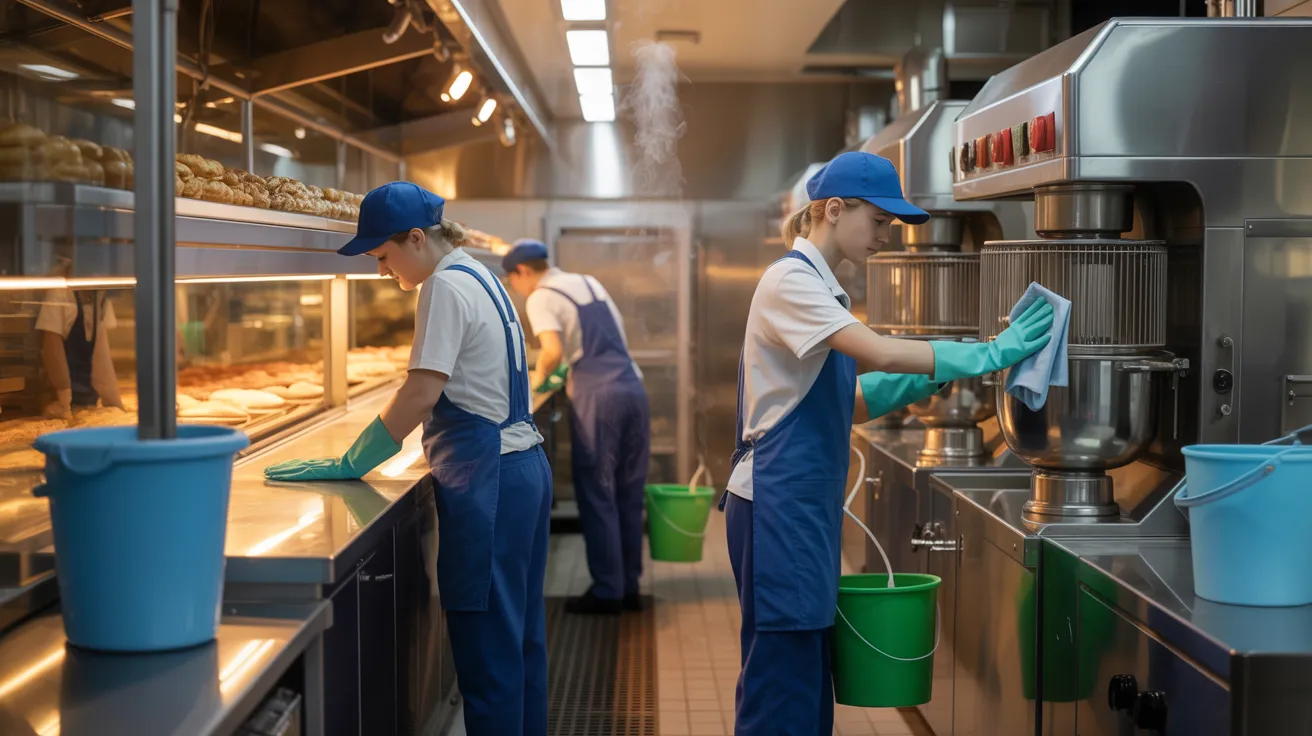
Brampton food hygiene and commercial cleaning experts help you keep restaurants, commissaries, baking facilities, warehouses, and food service vehicles sanitized to standards. They sanitize frequently contacted surfaces, food-contact surfaces, equipment, floors, drains, restrooms, and food prep areas using certified sanitizers, correct dilution, and documented contact times. in maintaining restaurants, commissaries, baking operations, warehouses, and mobile food operations in compliance. They disinfect high-touch points, food-contact surfaces, equipment, floors, drains, restrooms, and prep areas with approved chemicals, proper dilution, and recorded contact times.
Essential Summary
- Food safety cleaning experts in Brampton cater to restaurants, grocery departments, commissaries, warehouses, bakeries, schools, mobile vendors, and allergen-sensitive operations.
- Zone-based workflows disinfect frequently contacted areas, food-contact equipment, kitchens, floors, drains, restrooms, and storage areas for preventing cross-contamination.
- Qualified vendors validate approved sanitizer dilution, compatibility, and contact time, then record finishing with checks, inspections, and action records.
- Regular, periodic, and cyclical duties distributed by location make up hygiene plans built on hazard, throughput, switches, incidents, and standards.
- Highlight contractors showing HACCP, public-health knowledge, WHMIS preparation, liability, references, colour-coded implements, and inspection-ready sanitation paperwork.
Brampton Venues That Need Food Safety Cleaning: Which Ones?
Brampton facilities that handle, store, prepare, package, or serve food require sanitation protocols. Implement it if your establishment is covered by public health inspections, food codes, or HACCP requirements. The obligation covers food venues, break rooms, supply centers, retail departments, butcheries, seafood areas, stores, and facility food prep.
You also need compliant food safety cleaning in warehouses, food manufacturing plants, cold storage sites, retail bakeries, school nutrition programs, banquet halls, and meal delivery hubs. Mobile and temporary operations count too, including catering trucks, festival vendors, and pop-up food booths. If your staff prepare raw materials, portion finished foods, warm up meals, or maintain allergen storage, your facility needs recorded sanitation procedures. In Brampton, hygiene isn't optional; it's part of legal, operational, and consumer protection compliance.
What Do Brampton Cleaning Professionals Handle?
Professional cleaning services specializing in Brampton sanitize touched surfaces, kitchen facilities, floors, and sanitary facilities to satisfy food safety standards and health requirements. Emphasis on these spaces stems from extreme cross-contamination risk, potential for accidents, and possible regulatory violations.
By knowing exactly what gets cleaned, you are able to confirm your operation's sanitation protocols meet compliance standards.
Key High-Touch Surface Sanitizing
create a sanitizing frequency
confirm adequate sanitization
Cooking Zones, Walking Surfaces, and Restroom Environments
Brampton cleaning services focus on kitchens, floors, and restrooms as each zone presents distinct food safety, accident, and public health risks. In industrial kitchens, you need grease removal from cooking stations, appliance surfaces, drain systems, preparation areas, and backsplashes to minimize contamination and pest pressure.
Floor care that is documented should equally be anticipated. Technicians scrub and extract buildup from tile grout, ceramic surfaces, and vinyl floors, then apply proper moisture management so you can reduce slip incidents and meet regulatory standards. They also handle entryways where moisture and debris migrate indoors.
For restroom sanitation, cleaners disinfect high-touch surfaces, bathroom fixtures, stall dividers, supply dispensers, and trash receptacles, then replenish amenities and manage odor. They also service restaurant moprooms, where chemical storage, sink hygiene, and drainage conditions can affect sanitation compliance and staff safety daily.
Food Safety Cleaning Significance for Brampton Businesses
To comply with health code requirements and pass inspections, Brampton facilities must follow food-safe cleaning standards. You also reduce cross-contamination by cleaning and sanitizing food-contact surfaces, equipment, and high-touch areas correctly. Most importantly, you help protect public health by lowering the risk of foodborne illness in your facility.
Food Safety Regulations
Because Brampton food businesses operate under rigorous sanitary regulations, food safety cleaning directly affects your ability to meet health code requirements, protect customers, and avoid enforcement action. You must maintain hygienic food handling zones, verifiable cleaning logs, proper chemical use, and documented employee protocols that align with municipal and provincial inspection expectations.
When cleaning standards deteriorate, notices, corrective directives, brand harm, and service interruption from subsequent audits or compliance reviews become threats.
Cross-Contamination Avoidance
Adhering to health code standards requires your expertise in stopping cross-contamination throughout routine preparation and sanitation work. You need to separate raw ingredients from ready-to-eat foods, clean prep surfaces between tasks, and keep chemicals away from food-contact items. Organized systems minimize contamination events and ensure consistent compliance during inspections.
You might establish allergen separation to stop main allergens from reaching common areas, containers, or machinery. Use dedicated cutting boards, color-coded tools, and rigorous tool identification so staff don't mix items throughout cooking or delivery. Mandate handwashing after handling raw meat, seafood, eggs, or allergen-containing products. Change wiping cloths regularly, and test disinfectant concentration using strips. When employees learn these procedures every shift, you create full article a cleaner, safer operation that matches Brampton's safety requirements daily.
Public Health Protection
When sanitation efforts weaken, you don't only risk a failed inspection—you raise the likelihood of foodborne illness striking customers, staff, and the larger Brampton community. You also undermine your responsibility in safeguarding community wellness, especially in busy food facilities where pathogens travel quickly through surfaces, equipment, and touchpoints.
You need sanitation systems that remove contaminants, disinfect appropriately, and validate outcomes. This involves maintaining exposure durations, using authorized sanitizers, logging schedules, and educating staff to meet health-unit expectations. These measures prevent illness spread by decreasing microbial counts before contaminating food or hands. Throughout Brampton, strong cleaning protects vulnerable communities, reduces outbreak risk, and proves your diligence. When you follow proper protocols, you exceed regulations—you lower hazards and enable safer food service throughout the area.
How Can Cleaning Practices Ensure Food Safety Compliance?
Thorough cleaning protocols support food safety compliance by decreasing contamination threats, controlling pathogen growth, and maintaining your facility's adherence to sanitation requirements under HACCP-based programs and public health regulations. You ensure that food-handling surfaces remain visibly clean and microbiologically controlled, supporting documented preventive controls and inspection readiness.
Conscientious cleaning further strengthens allergen mitigation by eliminating residues that can trigger undeclared allergen exposure. When you integrate validated sanitation procedures with standards training, your staff can implement consistent approaches, use approved chemicals properly, complete records correctly, and manage irregularities ahead of escalation occurs. Regular cleaning facilitates audit trails, confirms remedial measures, and proves responsibility throughout audits. Furthermore, it aids you maintain product safety, sustain operational compliance, and reduce the possibility of enforcement actions, recalls, complaints, and unnecessary public health risks.
When Should You Arrange Commercial Cleaning?
cleaning routines or between production runs wherever food contact surfaces, washrooms, and high-contact zones
facility closures, weather-related soil buildup, or pest-related pressure timeframes.
Selecting the Right Brampton Cleaning Experts: Key Considerations
Start by screening providers against food sanitation standards, not price alone. You should verify that each company understands CFIA, public health, and HACCP-aligned expectations relevant to your facility. Ask for insurance documentation, WHMIS compliance, documented staff training, and supervision practices. Review whether technicians understand contamination prevention, chemical handling, and traceable sanitation records.
You should also assess business dependability and accountability. Request references from food facilities in Brampton, then examine response times, corrective-action procedures, and communication standards. Confirm the company supports supplier audits and can present inspection-ready documentation when regulators or third parties request evidence. Check whether equipment is maintained is performed, colour-coded tools are used appropriately, and site-specific hazards are recognized. A competent service protects regulatory adherence, product quality, and your brand reputation.
What's included in a Food Safety Cleaning Plan?
Create a documented strategy that clarifies every sanitation task, standard, and responsibility before production begins. You should detail cleaning schedules, authorized chemicals, concentration levels, contact duration, implements, and validation techniques for each location, surface, and apparatus. Incorporate pre-operational inspections, corrective actions, and employee training requirements.
Your plan should also tackle prevention of contamination, waste management, pest-control tactics, and scheduled records for restrooms, drains, floors, and food-contact areas. Specify how you'll distinguish between uncooked and prepared items, facilitate ingredient tracking, and maintain accurate allergen labeling through validated cleaning between product changes. You should assign accountability, keep signed records, and assess results against regulatory standards, HACCP controls, and customer requirements. When gaps appear, update procedures immediately and retrain staff.
Regular Posed Inquiries
Will cleaning services manage overnight shifts at Brampton facilities?
Yes, you can book cleaning services to support nighttime operations in Brampton facilities. You'll organize overnight sanitation around operational windows, access controls, and staffing requirements. Services generally map nightshift procedures to minimize interruption, maintain standards, and record finished work. You should confirm arrival timeframes, supervision, lockout procedures, and waste handling before beginning service. If you operate regulated spaces, you'll also need documentation that enable audits and compliance verification.
Are emergency spill response solutions provided from sanitation professionals?
Yes, you can find many Brampton cleaning experts who provide emergency spill response solutions. They manage hazardous materials, assess risks, contain contamination, and begin swift cleanup to reduce exposure and prevent business interruption. You should confirm response times, training certifications, PPE protocols, and disposal procedures. If your facility must meet regulatory requirements, select a service that records events, follows compliant standards, and supports audit readiness.
Do environmentally safe disinfectants function safely on food-contact surfaces?
Yes, natural disinfectants can be appropriate for food preparation areas if you opt for items marked food-safe and regulatory compliant. You should verify contact times, mixing proportions, and rinse procedures before implementation. Many botanical formulations lower chemical hazards, but you must obtain demonstration of efficacy against relevant pathogens. To preserve residue-free areas, you need to follow precise manufacturer instructions and verify the sanitizer complies with relevant food safety standards.
Will cleaning plans respond to seasonal variations?
Without question, sanitation programs adapt well for seasonal production changes. Adapt intervals, staffing, chemicals, and verification steps to fit operational cycles while upholding regulatory compliance. Decrease operational delays by timing sanitation around production shifts, peak volumes, and usage cycles. Additionally revise procedural documents, staff education, and environmental testing to address transient threats, new allergens, or higher contamination levels. Ongoing evaluations maintain the strategy effective.
Are professional cleaning companies providing employee instruction on hygiene protocols?
Yes, commercial cleaners often train your staff on sanitation best practices. You get employee instruction on proper chemical use, exposure periods, cross-contamination prevention, equipment disassembly, and record keeping. They generally follow instruction with HACCP, GMP, and CFIA or local public health regulations. Many perform hygiene inspections to verify compliance, spot deficiencies, and strengthen remedial steps. This allows you to maintain consistent procedures, succeed in audits, and reduce food safety risks regularly.
Closing Remarks
By collaborating with Brampton food safety and commercial cleaning professionals, you aren't simply tidying—you keep your operation compliance-focused and your practices in compliance. From production areas to kitchen zones, every sanitized surface and maintained corner decreases contamination and avoids expensive losses. By scheduling cleanings on the right schedule and adhering to a systematic cleaning protocol, you protect your team, clients, and your standing. In a strictly regulated industry, clean spaces must be prioritized—they're essential to successful operations.